
About our certification documentation: The sections below explain the quality standards that govern aluminum casting supply and the requirements we work to. For the current certificate status, certifying body, certificate number, and audited scope that apply to your specific part or industry, please contact our team — we will provide the applicable documentation directly. (Specific certificate details to be confirmed by our quality department.)

Key Standards at a Glance

Standard What It Governs Primary Relevance
ISO 9001Quality management system (process control & continual improvement)All industries; baseline of supplier quality
IATF 16949Automotive QMS, built on ISO 9001 plus PPAP/APQPAutomotive supply chains
RoHSRestriction of hazardous substances in electrical/electronic equipmentElectronics, consumer, new-energy parts

Standard scopes summarized for general guidance; refer to the official published standard for the authoritative requirements.

aluminum casting quality inspection in an industrial laboratory

ISO 9001 — Quality Management System

ISO 9001 is the world's most widely used quality management standard. It does not certify a single product; instead it certifies that a company runs a documented, audited system for planning, controlling, and improving quality. That covers how requirements are captured, how nonconforming parts are handled, how corrective actions are tracked, and how the system is reviewed for continual improvement.

For a buyer, an ISO 9001-aligned supplier is the baseline expectation: it signals that quality comes from a repeatable process rather than from individual effort. The same discipline underpins our day-to-day quality control workflow, from incoming material checks to final inspection.
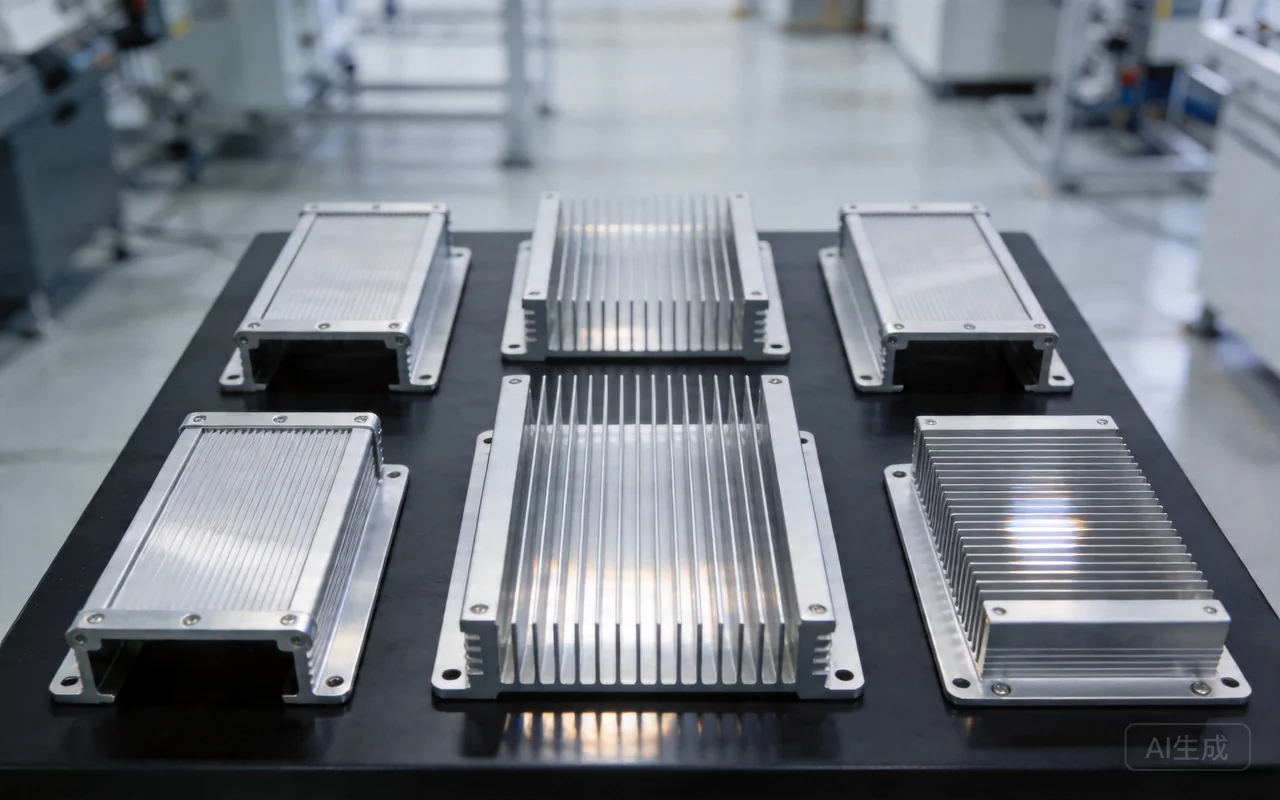
IATF 16949 — Automotive Quality Management

IATF 16949 is the automotive industry's quality management standard. It incorporates the full ISO 9001 framework and then adds automotive-specific requirements that most vehicle manufacturers demand from their suppliers. These include the Production Part Approval Process (PPAP), Advanced Product Quality Planning (APQP), and structured defect-prevention tools such as FMEA.

The goal of IATF 16949 is defect prevention and the reduction of variation and waste across the supply chain. For a casting supplier, working to these requirements signals readiness to support automotive production volumes, documentation, and traceability. Parts destined for vehicles are described further on our automotive industry page.

PPAP

Production Part Approval Process documents that a part meets all requirements before mass production.

APQP

Advanced Product Quality Planning structures development from design to launch.

Traceability

Lot-level traceability supports recall control and root-cause analysis.

RoHS — Restriction of Hazardous Substances

RoHS restricts hazardous substances such as lead, cadmium, mercury, and hexavalent chromium in electrical and electronic equipment. Pure aluminum is not itself a restricted substance, so the base metal of a cast aluminum part is generally not a concern on its own.

The compliance question lives in the details. A finished casting can still fall under RoHS through its alloying elements, its surface coating or plating, or secondary materials such as fasteners. RoHS compliance is therefore assessed on the complete finished part and its finish, not on the base alloy alone. For parts headed into electronics or new-energy products, we can review the full bill of materials and finish against RoHS requirements during quoting.

cast aluminum electronics enclosure parts on an inspection table

Why Certifications Matter for Your Project

Certifications reduce your supply risk. They give you a third-party signal that a supplier's quality, automotive readiness, or substance compliance has been independently assessed, which shortens your own qualification work and protects you from costly field failures and rework.

Reduced Risk

Independent audits lower the chance of quality escapes reaching your line.

Faster Qualification

Recognized standards shorten your supplier approval process.

Regulatory Confidence

Substance compliance supports your own market and customer obligations.

Consistent Documentation

Standardized records make audits and traceability straightforward.

Documentation We Can Provide

Standards on paper only help if a supplier can show evidence for your specific part. Depending on the requirements of your industry and the scope of your order, we can support the quality and compliance documentation that buyers commonly ask for during qualification and ongoing supply. This documentation ties the standards described above to the actual parts we ship.

Inspection Reports

Dimensional inspection records and first-article reports tied to the drawing.

Material Certificates

Verification of alloy and material specifications for the supplied parts.

Compliance Declarations

Substance declarations such as RoHS, reviewed against the full bill of materials and finish.

The exact certificates, scope, and certifying-body details that apply to your project are confirmed by our quality department on request. Tell us your industry and part requirements when you request a quote, and we will share the applicable documentation.

Frequently Asked Questions

What does ISO 9001 mean for a manufacturer?
ISO 9001 is the international standard for a quality management system (QMS). It does not certify a specific product; it certifies that a company has a documented, audited process for controlling quality, handling nonconformities, and continually improving. For a buyer, an ISO 9001 supplier signals consistent, traceable processes rather than ad-hoc quality.
What is the difference between ISO 9001 and IATF 16949?
IATF 16949 builds on ISO 9001 and adds automotive-specific requirements such as production part approval (PPAP), advanced product quality planning (APQP), and defect-prevention tools. ISO 9001 applies to any industry; IATF 16949 is required by most automotive OEMs. A manufacturer must meet ISO 9001 principles plus the extra automotive controls to hold IATF 16949.
Does RoHS apply to aluminum?
RoHS restricts hazardous substances such as lead, cadmium, mercury, and hexavalent chromium in electrical and electronic equipment. Pure aluminum is not a restricted substance, but a cast aluminum part can still fall under RoHS through its alloying elements, surface coatings, or plating. RoHS compliance is therefore assessed on the finished part and its finish, not on the base metal alone.
What is the purpose of IATF 16949 certification?
IATF 16949 aims to drive defect prevention and reduce variation and waste in the automotive supply chain. It standardizes quality expectations across global automotive suppliers so that parts from different sources meet the same controlled requirements. For casting suppliers, it signals readiness to support automotive production volumes and documentation.
Is aluminum 6061 RoHS compliant?
Aluminum 6061 alloy itself typically does not contain the substances restricted by RoHS above their thresholds, so the base alloy is generally considered compliant. However, compliance must still be verified for the finished part, because coatings, platings, fasteners, or secondary materials can introduce restricted substances. Always confirm RoHS status against the full bill of materials and finish.

Need Certification Documentation?

Tell us your industry and part requirements, and our quality team will share the applicable standards documentation for your project.

← Back to all manufacturing capabilities