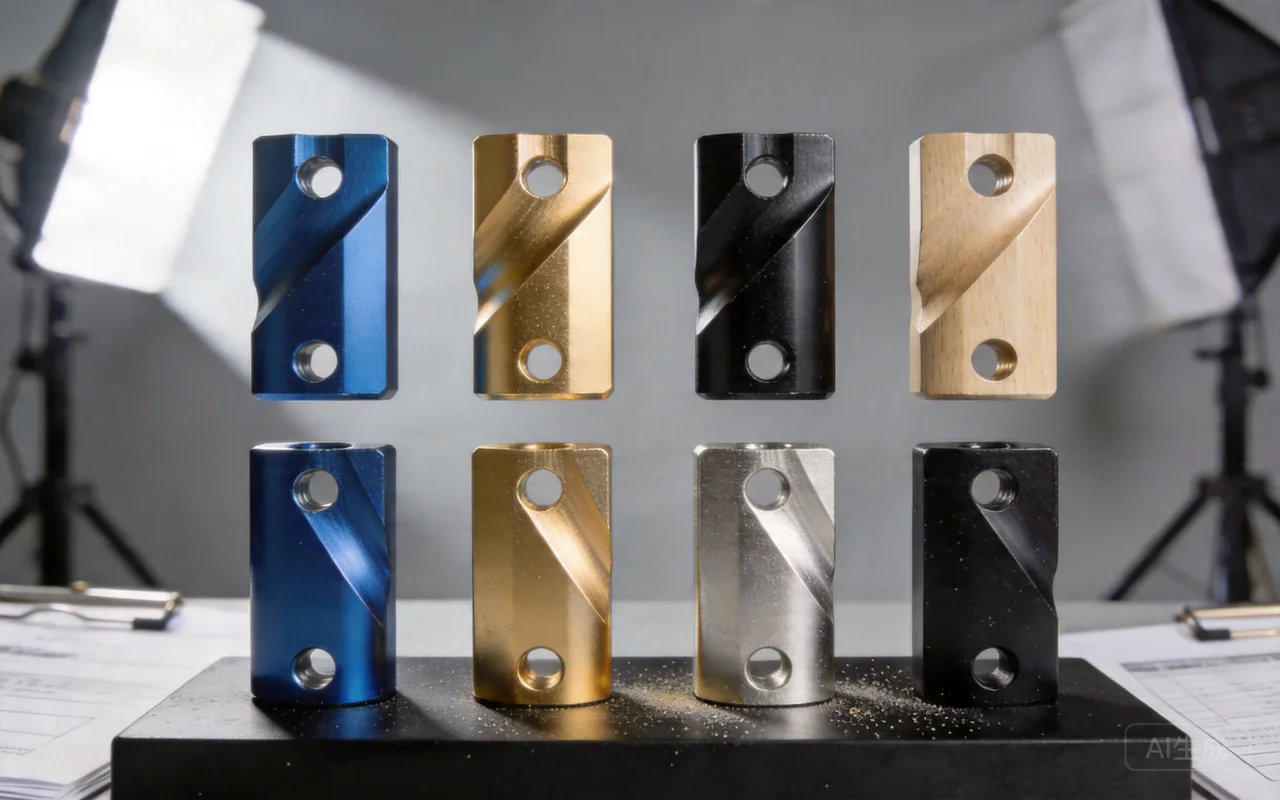
A Complete Aluminum Manufacturing Workflow

A complete aluminum part rarely comes off a single machine. It passes through a chain of equipment: a melting furnace prepares the alloy, a casting machine forms the near-net shape, CNC machining centers cut critical features, finishing lines protect and decorate the surface, and inspection equipment verifies every dimension. Keeping this entire chain in one facility removes hand-off delays between vendors and keeps quality traceable at every stage.

The sections below list the main equipment families we operate, organized by stage of production. Where a specification matters to your part, our engineering team can confirm the exact machine model, working envelope, and tolerance capability against your drawing during the quotation stage.

Equipment Overview by Production Stage

Production Stage Core Equipment Typical Use
Melting & CastingMelting furnaces, holding furnaces, die casting machines, sand casting lines, gravity (permanent mold) stationsForm the near-net aluminum shape from molten alloy
CNC MachiningVertical & horizontal machining centers, CNC lathes, 5-axis machinesCut tight-tolerance features, threads, and sealing faces
Extrusion ProcessingExtrusion presses, cutting & fabrication equipmentProduce and finish custom aluminum profiles
Surface FinishingAnodizing lines, powder coating systems, polishing equipmentAdd corrosion resistance, color, and appearance
InspectionCMM, calipers, micrometers, surface roughness testersVerify dimensions and finish against the drawing
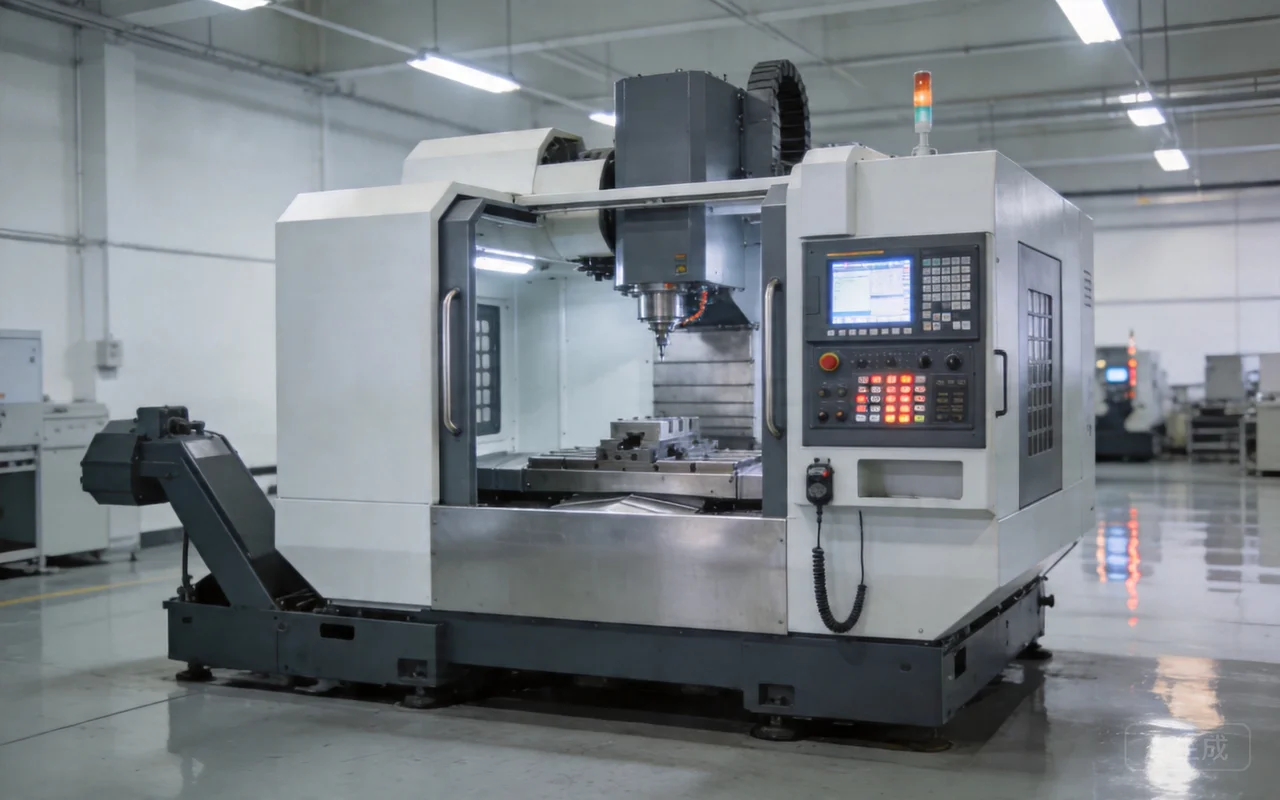
row of CNC machining centers in a modern factory environment

CNC Machining Equipment

CNC machining turns a near-net casting into a finished part with precise holes, threads, flat faces, and sealing surfaces. Our machining centers cover both prismatic and rotational work, so a single cast component can be fully finished without leaving the facility. For complex geometry, 5-axis machines reach features from multiple angles in one setup, which reduces the stack-up error that comes from re-fixturing a part.

Vertical CNC Machining Centers

High-precision milling of complex prismatic parts and pockets.

Horizontal CNC Machines

Efficient material removal for larger-scale production runs.

CNC Turning Machines

High-accuracy lathes for cylindrical and shaft-type components.

5-Axis CNC Machines

Machining of complex geometry in a single setup for tighter accuracy.
Aluminum Casting Equipment

Casting is where the part takes shape. We operate the three main aluminum casting processes so we can match the method to the part rather than forcing every job through one machine. High-pressure die casting suits high-volume, thin-walled parts; sand casting suits large or low-volume parts with complex internal passages; gravity casting (permanent mold) gives denser, stronger parts for medium volumes.

Die Casting Machines

High-pressure injection of molten aluminum into reusable steel dies for fast, repeatable mass production of thin-walled parts.

Sand Casting Facilities

Molding and core-making equipment that forms single-use sand molds for large, complex, or lower-volume castings.

Gravity Casting Equipment

Permanent mold stations that pour under gravity for denser parts with improved mechanical strength.

Not sure which process fits your part? Compare the three side by side in our casting method comparison guide, or review the alloy options on our casting materials page.

Melting and Metal Preparation

Every casting begins with clean, correctly prepared metal, so melting and holding equipment is as important as the casting machine itself. Melting furnaces bring the aluminum alloy to pouring temperature, while holding furnaces keep the melt at a stable temperature so that each shot or pour is consistent. Stable melt temperature matters because it directly affects fluidity, shrinkage, and the risk of casting defects such as misruns and porosity.

Metal preparation also covers managing the alloy chemistry and reducing dissolved gas and inclusions before the metal reaches the mold. Cleaner, well-degassed metal produces denser castings with better mechanical properties and a lower scrap rate. The specific furnace types, capacities, and melt-treatment practices used for a given alloy are matched to the part and can be reviewed with our engineering team. To understand which alloys suit your application, see our aluminum casting materials page.

Casting Method & Equipment Comparison

Method Mold / Tooling Best Volume Range Strength of As-Cast Part
High-Pressure Die CastingReusable steel die (high tooling cost)High volumeGood; gas porosity can limit heat treatment
Sand CastingSingle-use sand mold (low tooling cost)Low to medium volumeModerate; freely heat-treatable
Gravity (Permanent Mold)Reusable metal mold (medium tooling cost)Medium volumeHigh; dense and heat-treatable

General process characteristics; exact tooling cost and achievable properties depend on part geometry and alloy. Confirm against your part requirements during quoting.

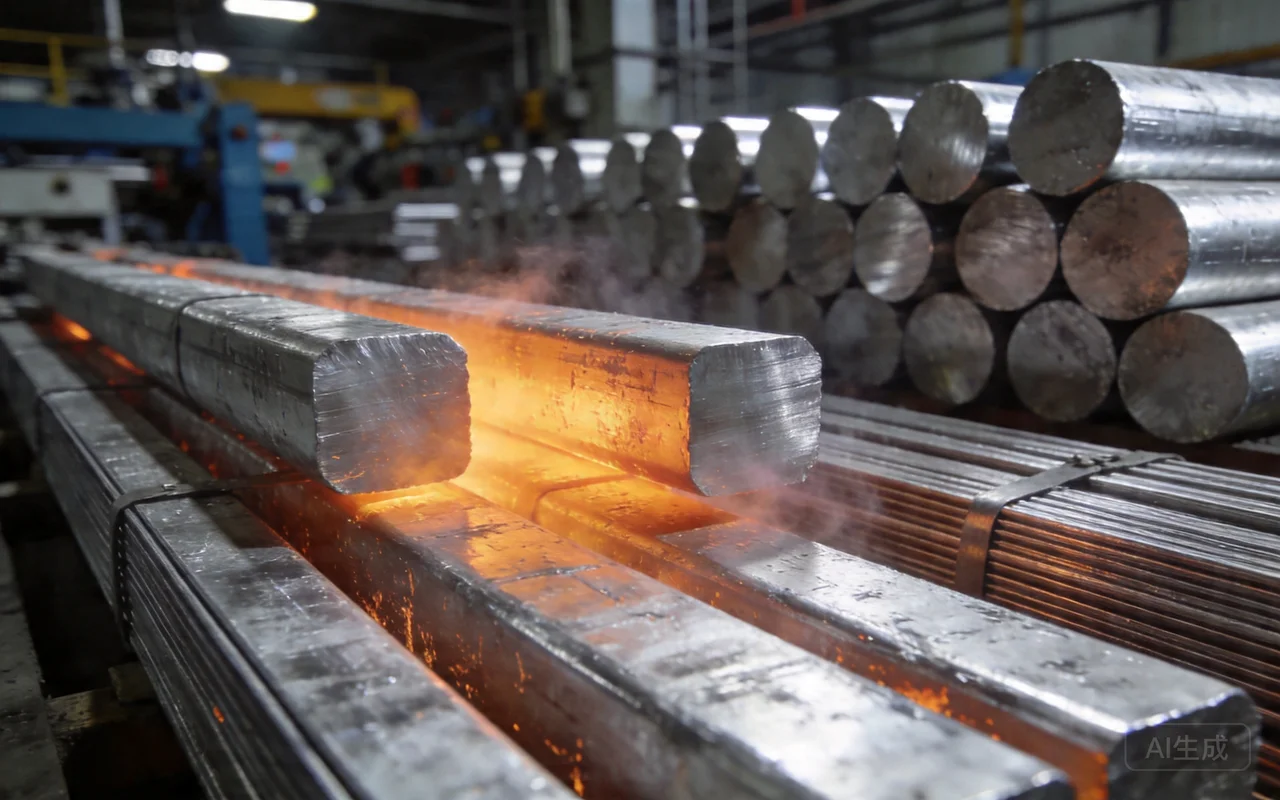
Aluminum Extrusion Equipment

For parts built from profiles rather than castings, extrusion presses push heated aluminum billet through a shaped die to produce long, uniform cross-sections. Downstream cutting and fabrication equipment then sizes, drills, and finishes those profiles. Extrusion is well suited to frames, heat sinks, and structural sections where a constant cross-section runs the length of the part.

Extrusion Press Machines

Form custom aluminum profiles from heated billet through shaped dies.

Cutting and Processing Equipment

Cut to length, drill, and finish profiles to accurate dimensions.

aluminum extrusion line with long metal profiles in industrial environment

Inspection and Measurement Equipment

Inspection equipment is what turns a finished part into a verified part. A coordinate measuring machine (CMM) maps a part's actual geometry against the CAD model with high repeatability, making it the primary tool for first-article inspection and tight-tolerance work. Hand tools and surface testers handle routine dimensional and finish checks. Our inspection process is detailed further on our quality control page.

CMM (Coordinate Measuring Machine)

High-precision 3D measurement of complex parts against the CAD model.

Calipers and Micrometers

Standard dimensional inspection tools for routine feature checks.

Surface Roughness Testers

Measure surface finish quality against the specified Ra value.

aluminum anodizing line with industrial coating equipment

Surface Finishing Equipment

Finishing protects the part and gives it its final appearance. Anodizing builds a hard, corrosion-resistant oxide layer; powder coating applies a durable colored finish; polishing improves smoothness and shine. The right finish depends on the application and environment, which we cover in detail on our surface finish options page.

Anodizing Lines

Build a hard oxide layer for corrosion resistance and appearance.

Powder Coating Systems

Apply durable, uniform colored finishes to cast and machined parts.

Polishing Equipment

Improve surface smoothness and produce a bright finish.

Production Capacity

Equipment is only useful if it can scale to your order. Multiple parallel production lines let us run small prototype batches and large production volumes without re-tooling between them, and continuous operation keeps output and delivery dates consistent.

Multiple Production Lines

Parallel lines support efficient and scalable production.

Flexible Manufacturing

Handle both small prototype runs and large production orders.

Continuous Operation

Maintain consistent output and reliable delivery schedules.

Why Our Equipment Matters

A capable equipment list directly affects the cost, quality, and delivery of your parts. Modern, well-maintained machines hold tighter tolerances, run faster cycles, and produce more repeatable results, which lowers scrap and avoids costly rework. Because casting, machining, finishing, and inspection all sit under one roof, your part never waits in a queue at an outside vendor.

High Precision

Advanced machines hold tight, repeatable tolerances.

Efficiency

Modern equipment improves cycle time and throughput.

Consistency

Stable, maintained machines deliver repeatable quality.

Capability

Handle complex, demanding, and high-mix projects.

How We Match Equipment to Your Part

Choosing the right equipment is an engineering decision, not just a question of what is available. Before a job reaches the floor, our team reviews the drawing, the expected order volume, the alloy, and the critical tolerances, then routes the part through the equipment that produces it most reliably and economically. A high-volume thin-walled bracket is a natural fit for high-pressure die casting; a large, low-volume housing with internal passages is better suited to sand casting; a strength-critical structural part often points to gravity casting followed by heat treatment.

Tolerance requirements then decide how much machining follows. As-cast surfaces hold general dimensional tolerances, but sealing faces, bearing bores, and threaded holes usually need CNC finishing to reach tight tolerances. By planning the casting and machining sequence together, we avoid over-machining features that do not need it and concentrate precision where the drawing demands it. Our approach to tolerance capability is described on our tolerance and standards page, and design choices that affect cost are covered in our DFM support service.

Finishing and inspection are scheduled the same way. The finish is selected for the part's environment — anodizing for corrosion resistance, powder coating for color and durability, polishing for appearance — and the inspection plan is built around the critical dimensions, with CMM measurement reserved for the features that justify it. The result is a single, coordinated route from molten alloy to a finished, documented part. Standards such as the Aluminum Association temper designations (for example T5 and T6) and common alloys like A356 and A380 are applied where they fit the part; specific temper, alloy, and tolerance choices are always confirmed against your drawing and the applicable datasheet before production.

Frequently Asked Questions

What equipment is used to cast aluminum parts?
Aluminum parts are cast using one of three core machine families: high-pressure die casting machines, sand casting lines with molding and core-making equipment, and gravity (permanent mold) casting stations. Each pairs with a melting furnace and a holding furnace. The choice depends on volume, part size, and required mechanical properties.
How are cast aluminum parts finished and inspected after casting?
After casting, parts move to CNC machining centers for critical dimensions, then to finishing lines such as anodizing, powder coating, or polishing. Inspection equipment then verifies the part. A coordinate measuring machine (CMM) checks complex geometry, while calipers, micrometers, and surface roughness testers confirm dimensions and finish against the drawing.
What is the difference between die casting and sand casting equipment?
Die casting equipment injects molten aluminum into a reusable steel die under high pressure, which suits high volumes and thin walls. Sand casting equipment forms a single-use sand mold around a pattern for each part, which suits large or low-volume parts and complex internal passages. Sand tooling costs far less; die casting has a faster cycle once tooling is built.
Do you use a CMM for inspection?
Yes. A coordinate measuring machine (CMM) measures complex three-dimensional geometry against the CAD model with high repeatability, which makes it the primary tool for first-article inspection and tight-tolerance castings. Simpler features are verified with calipers, micrometers, gauges, and surface roughness testers. Specific machine models and accuracy ranges can be confirmed on request.
What aluminum casting methods do you support in-house?
We support high-pressure die casting, sand casting, and gravity (permanent mold) casting, plus downstream CNC machining, aluminum extrusion processing, and surface finishing. Combining casting and machining under one roof shortens lead time and keeps dimensional control consistent from melt to finished part.

Work with a Fully Equipped Manufacturer

Partner with a manufacturer equipped with advanced technology and strong production capabilities. Contact us today to get started.