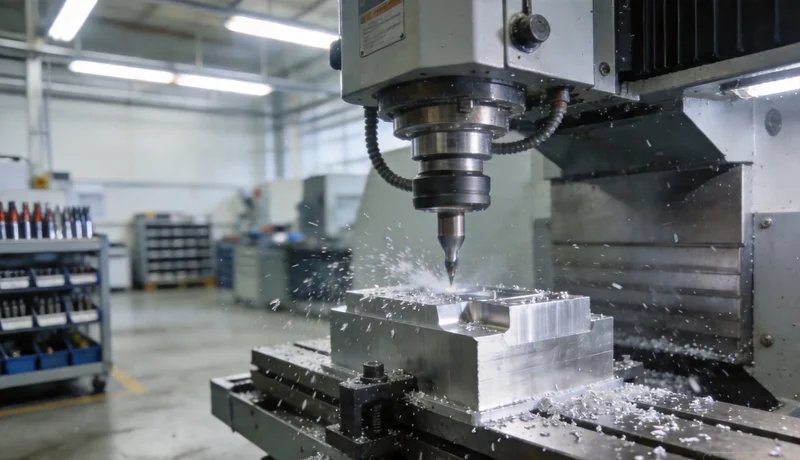
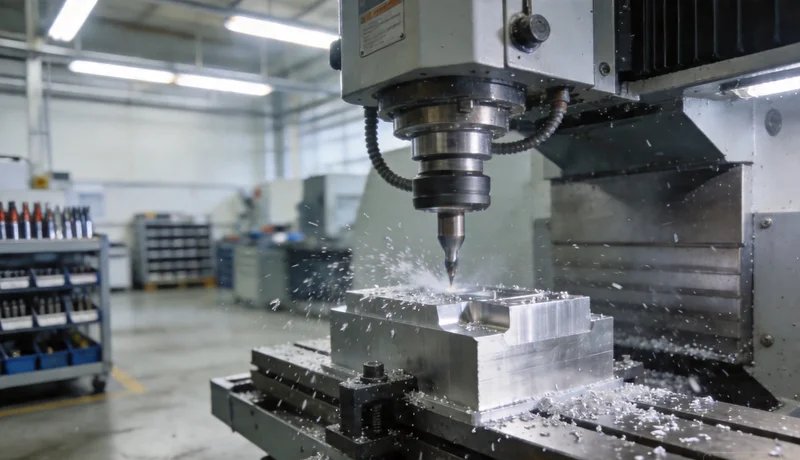
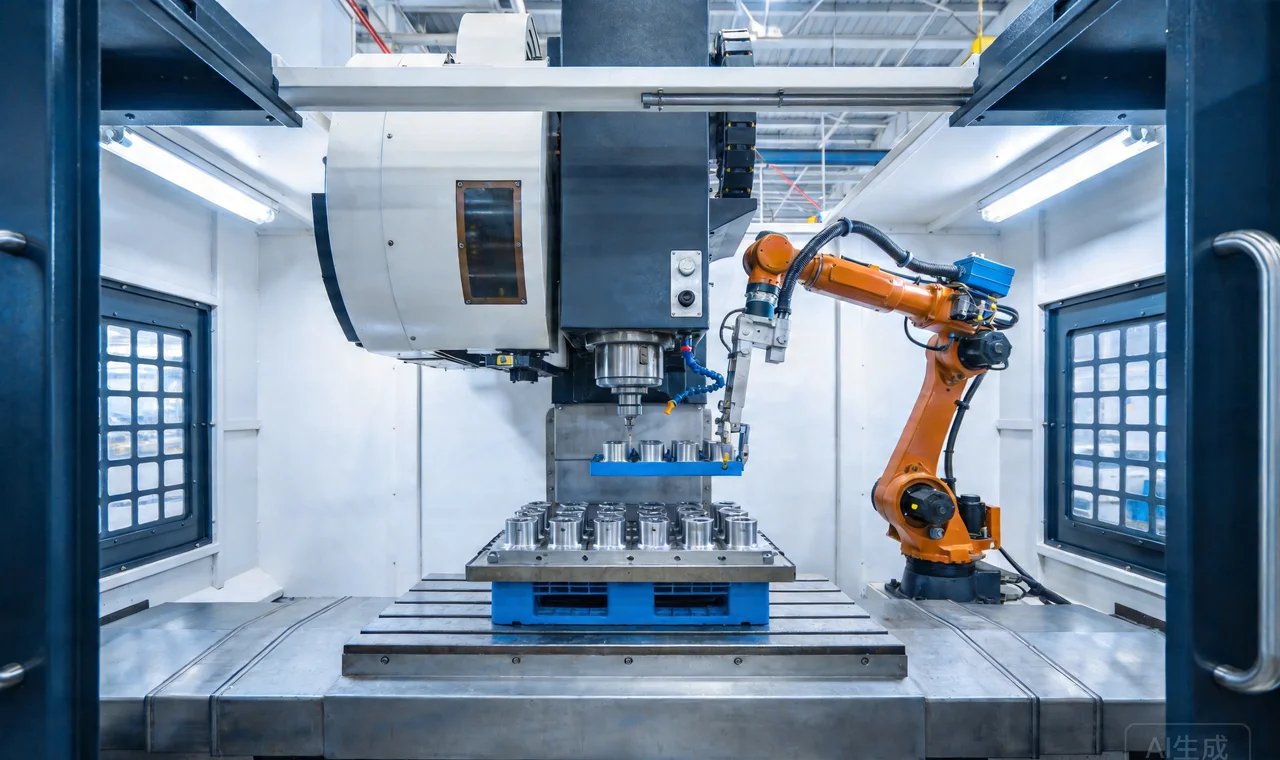
More complex designs require longer machining time; see our CNC machining guide for DFM strategies.
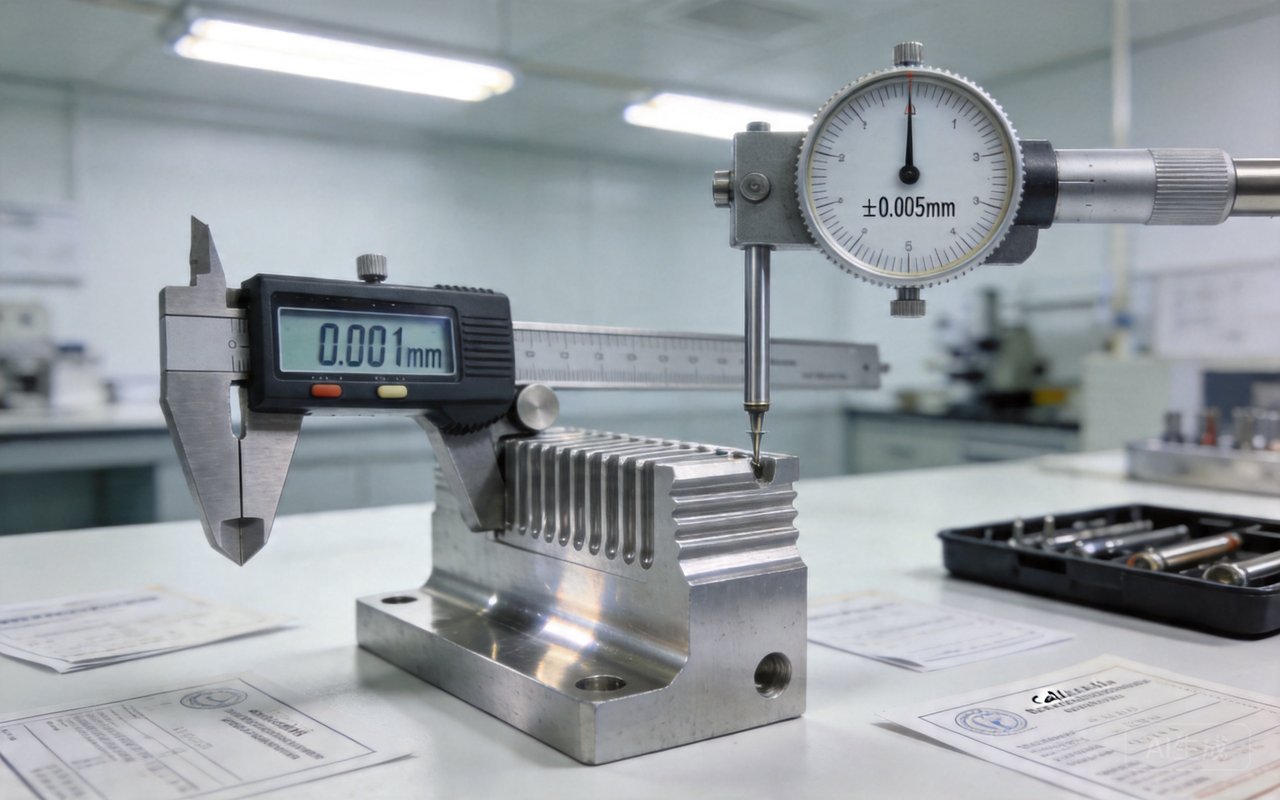
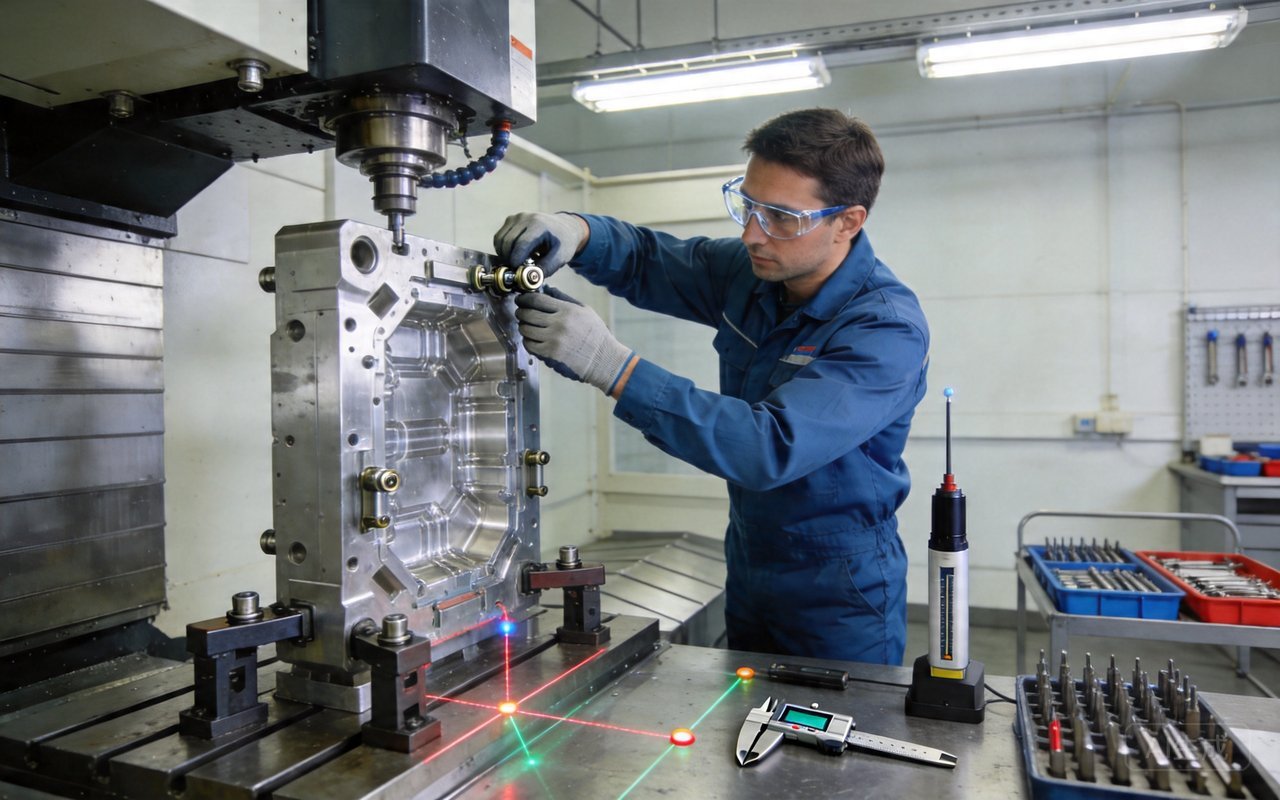
Higher precision increases production difficulty.
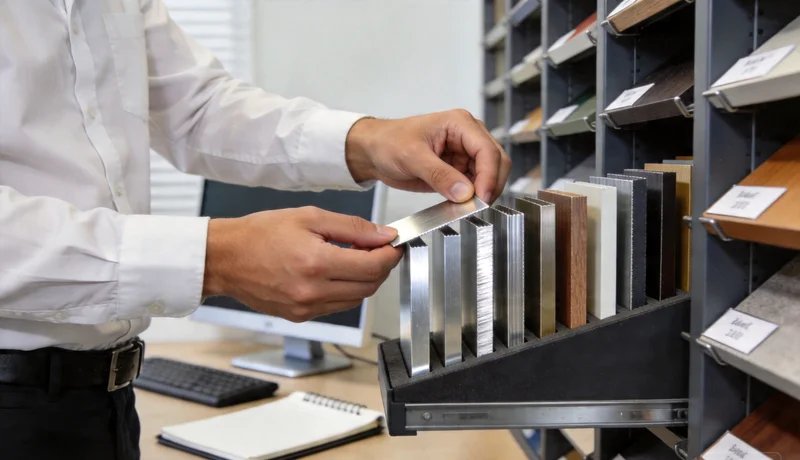
High-performance materials cost more — compare options in our material comparison before over-specifying.
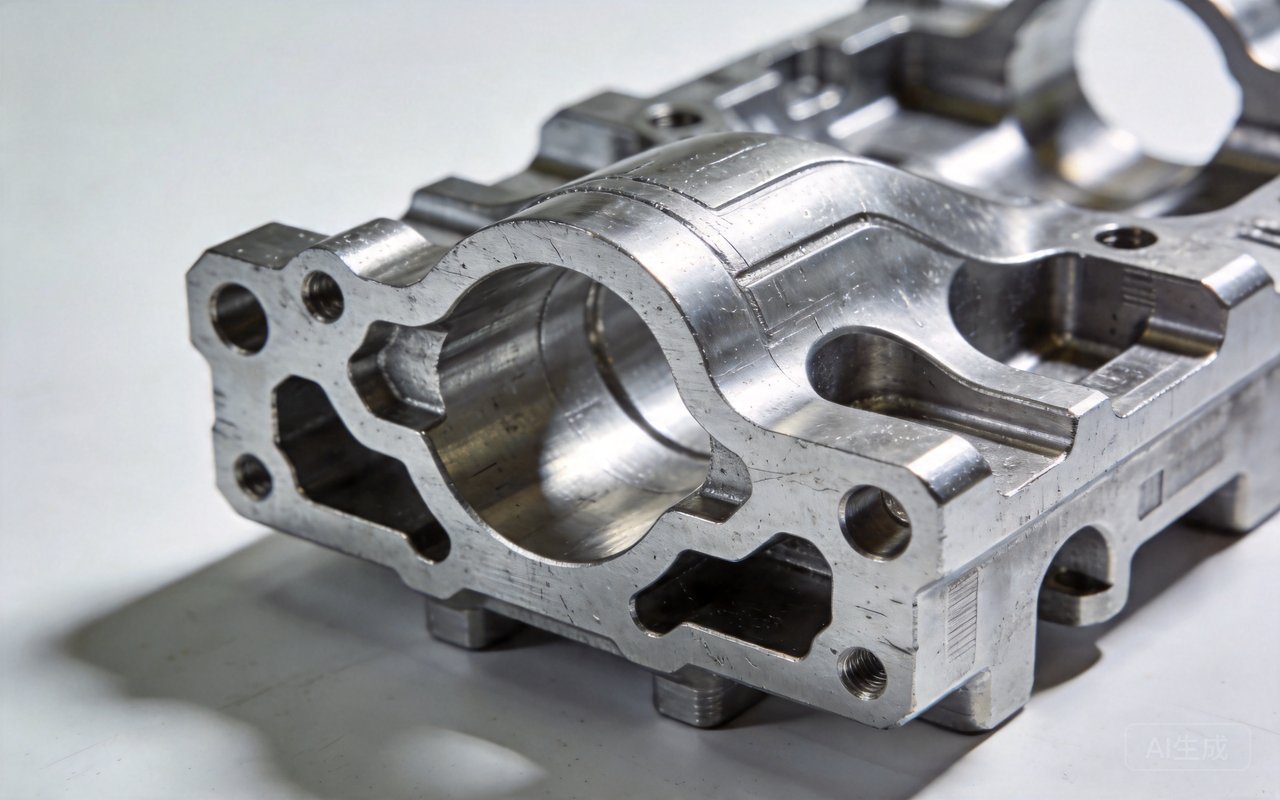
Complex designs significantly increase machining time; simplifying geometry directly lowers cost.
Deep cavities require longer tools and extended cycle times.
Standard hole sizes reduce custom tooling expenses.
Unnecessary tight tolerances substantially increase production cost.
Alloy 6061 is typically more cost-effective than 7075 for general applications.
Fewer setup changes improve throughput and lower labor cost.
Combining casting with targeted machining reduces overall part cost.
Smart part orientation reduces machining time and tool wear.
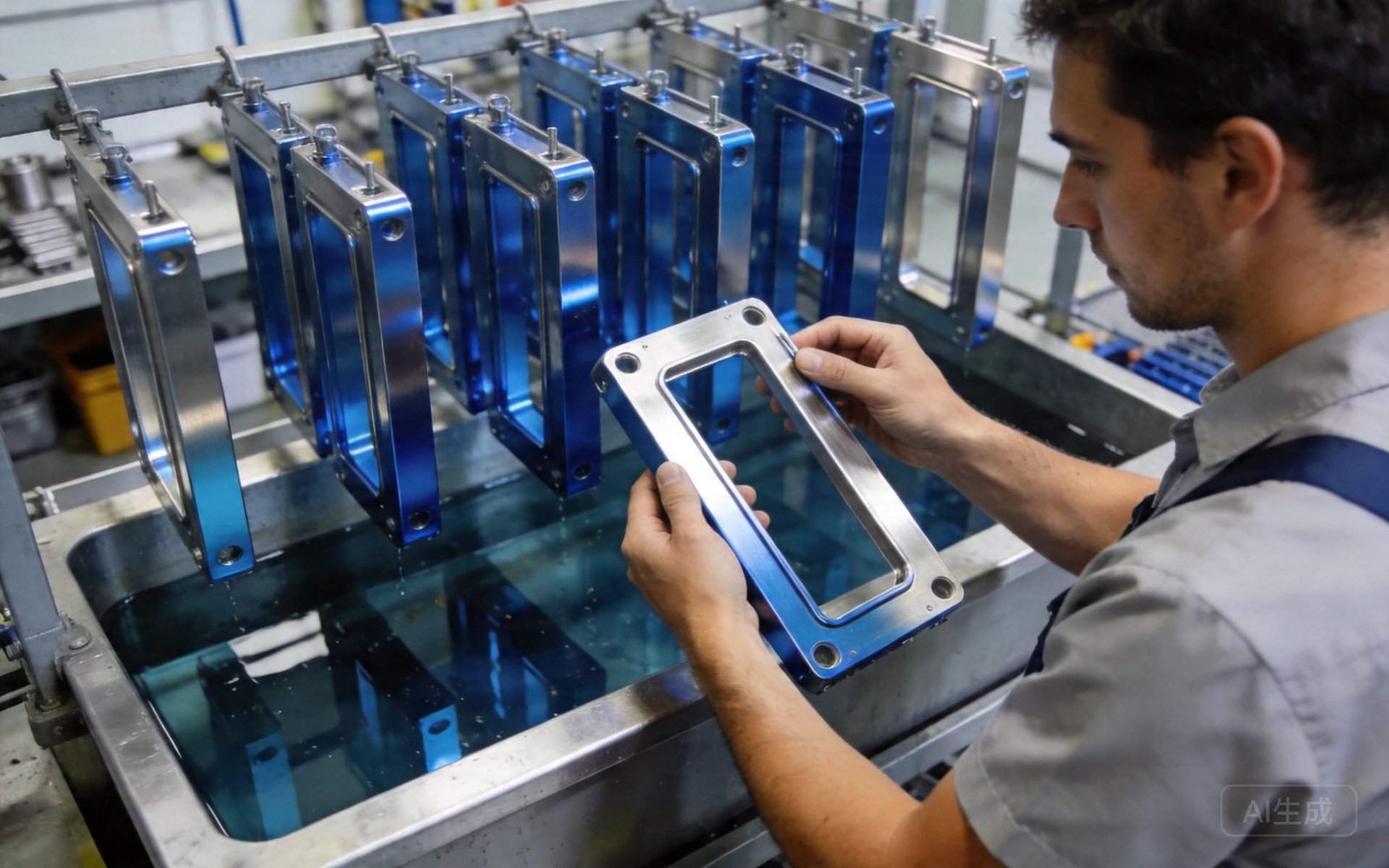
Special surface treatments add cost compared with standard finishes.
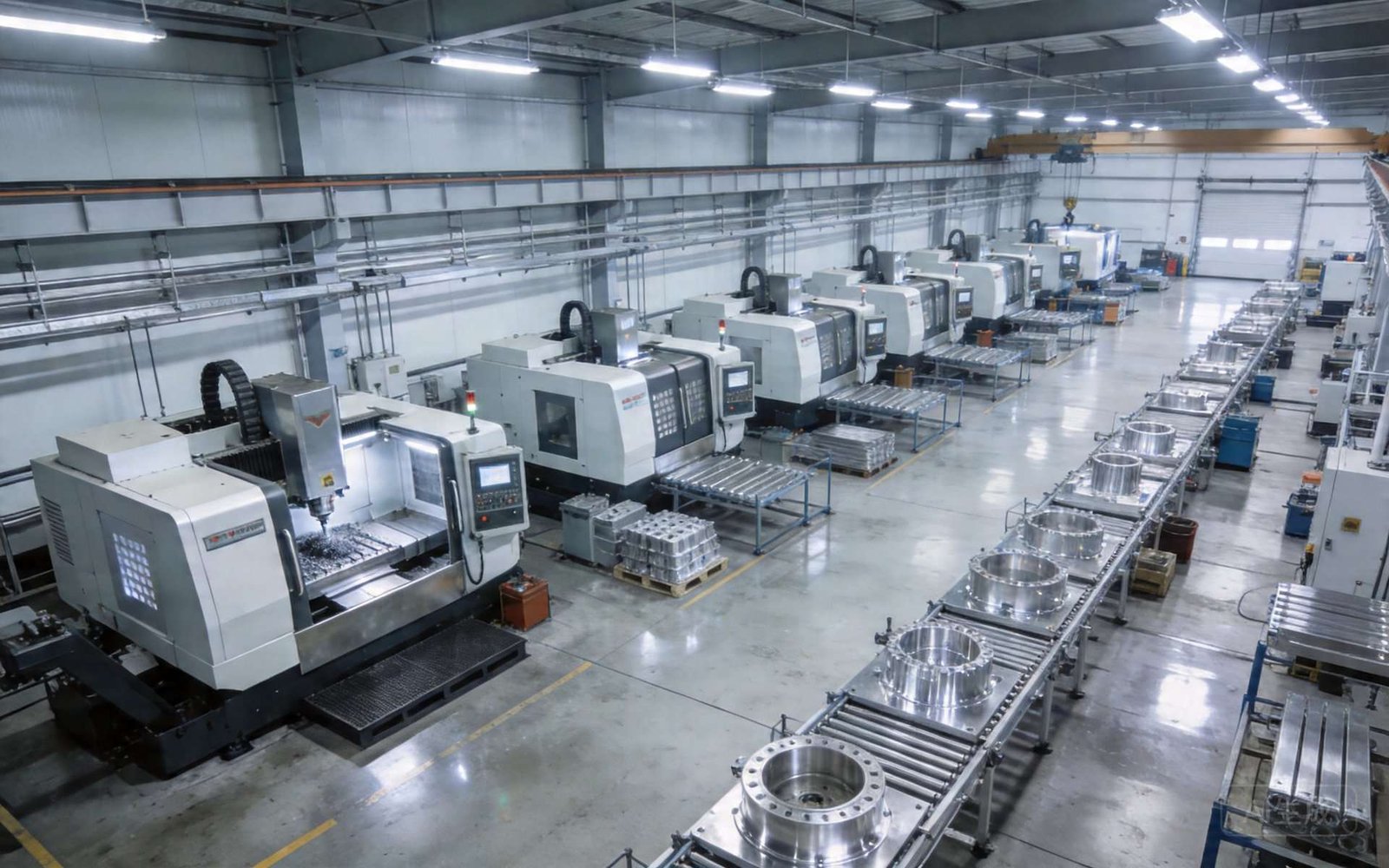
Higher production volumes spread setup cost and reduce unit price.
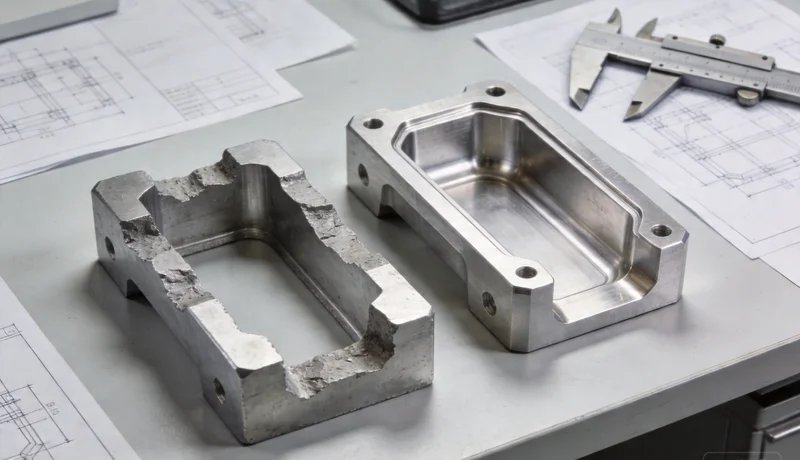
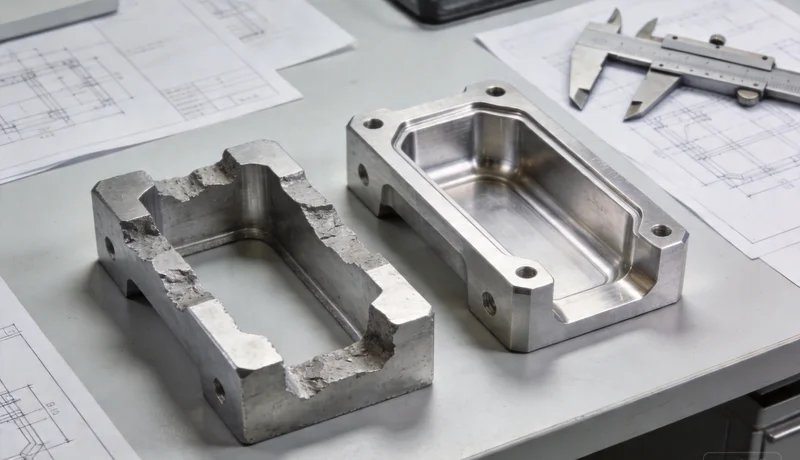
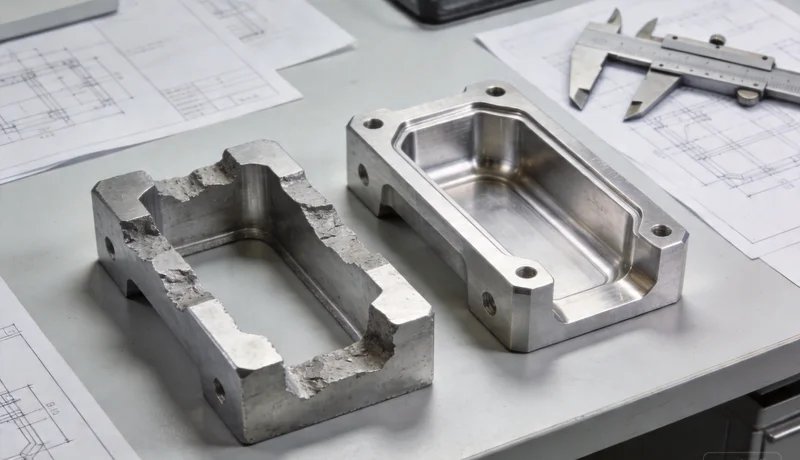
Complex geometry drives high machining cost before optimization.
Optimized design reduces machining time and total cost.
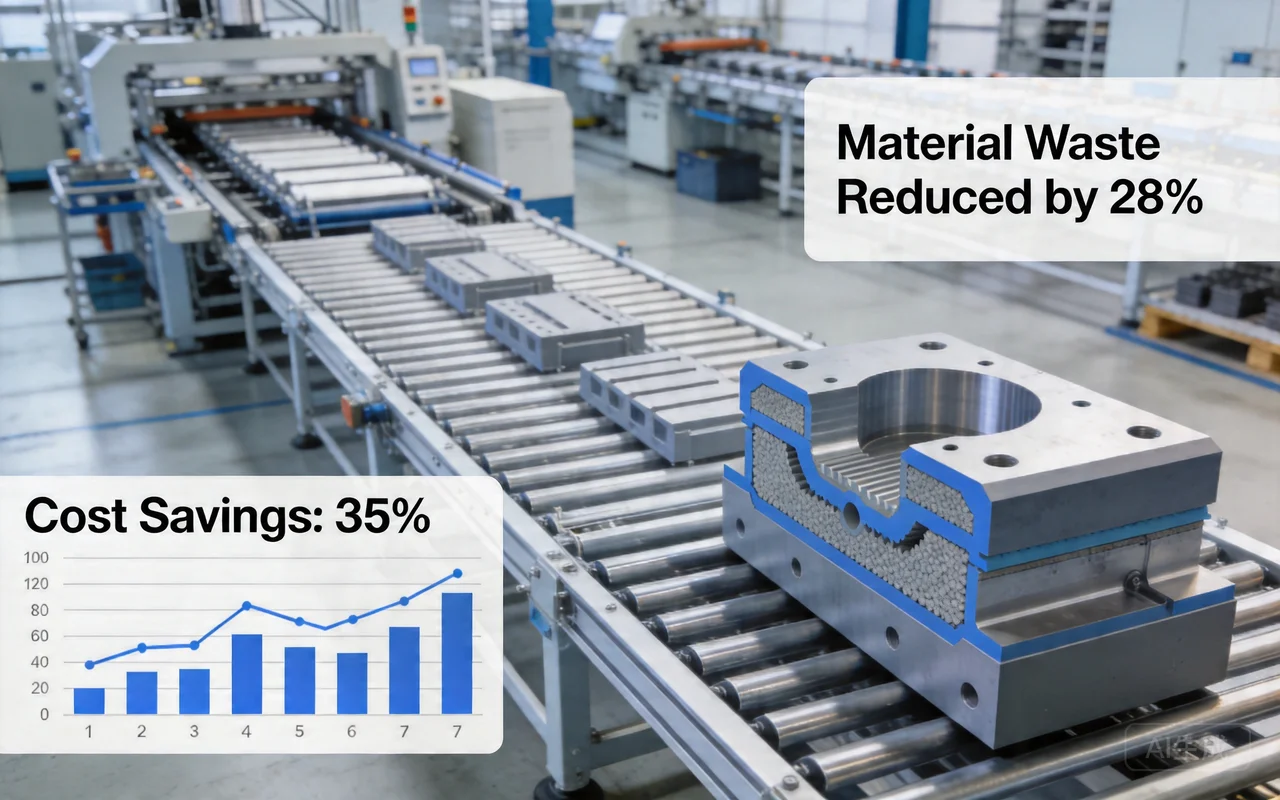
Cost reduced by 25–35%
Faster production
Improved manufacturability
| Factor | CNC Machining | Castings |
|---|---|---|
| Setup Cost | Low | High |
| Unit Cost | High | Low (volume) |
| Best For | Small batch | Large batch |
Best time to reduce costs.
Optimize for volume production.
Identify inefficiencies in design.
Design decisions made early in product development have the largest impact on total manufacturing cost. For aluminum castings and machined parts, uniform wall thickness prevents hot spots, shrinkage porosity, and warpage that drive scrap and rework. Avoid sharp internal corners and deep undercuts that require expensive slides, loose pieces, or multi-axis machining. Simplify core designs where possible and apply adequate draft angles (typically 1–3° per side for permanent molds, more for sand) so parts eject cleanly without damaging tooling.
Consolidate multiple machined components into a single near-net-shape casting when volumes justify tooling investment. Use ribs and bosses instead of thick solid sections to maintain stiffness while reducing material and cycle time. Our design for casting (DFC) review identifies features that add cost without functional benefit before tooling is committed.
Choosing the right aluminum alloy balances mechanical performance, castability, finishing requirements, and raw material cost. Die-casting alloys such as ADC12 or A380 offer excellent fluidity and lower melt temperatures for high-volume production, while A356 is preferred for structural sand and permanent-mold parts that need heat treatment and weldability. Over-specifying 7075 or exotic grades for non-critical features increases billet cost and machining difficulty without improving product value.
Consider recyclability and scrap value: foundry returns and machining chips from common alloys retain value and reduce net material cost on long programs. Compare options in our material comparison guide before locking specifications. For hybrid processes, a cast near-net-shape blank plus targeted CNC on critical surfaces often beats full machining from solid stock.
Tooling amortizes over production volume, so mold design directly affects unit economics. Multi-cavity dies spread fixed tooling cost across more parts per shot, but require balanced filling and adequate clamp force. Plan gate and runner layouts with flow simulation to minimize scrap from misruns and flash. For die casting, schedule preventive maintenance—polishing cavities, replacing worn components, and verifying cooling channels—to extend mold life and avoid unplanned downtime.
Prototype with lower-cost sand or 3D-printed patterns before committing to hardened steel dies when design is still evolving. Bridge tooling or single-cavity production molds can validate demand before full multi-cavity investment. Document mold revisions and process parameters so scale-up to production tooling replicates approved quality without repeated sampling costs.
Batch sizing should match equipment capacity and customer demand: runs that are too small inflate setup and changeover cost per piece; runs that are too large tie up capital and warehouse space. Automation—robotic ladling, trim presses, and automated inspection—reduces labor variation and improves repeatability on stable programs. Integrate in-process checks (temperature, shot monitoring, dimensional gauges) to catch drift before scrap accumulates.
Quality control that prevents defects is cheaper than sorting bad parts later. X-ray or pressure testing for pressure-containing castings, plus SPC on critical dimensions, protects yield. Combine casting with in-house CNC and finishing to eliminate logistics between suppliers and shorten total lead time.
Just-in-time delivery reduces inventory carrying cost when demand is predictable and lead times are reliable. Partnering with a U.S.-based foundry and machine shop—such as our Houston facility—can lower freight, customs, and tariff exposure versus long international supply chains while improving communication during engineering changes.
Optimize packaging to prevent damage in transit without oversizing cartons that inflate dimensional weight charges. Consolidate shipments, use returnable racks for recurring automotive or industrial programs, and align production schedules with customer pull signals. Clear Incoterms and responsibility for tooling ownership avoid disputes that delay launches and add hidden cost.
Send us your design and we will provide cost-saving suggestions and a competitive quotation.