Gravity Casting Guide | Process, Benefits, Alloys & Applications
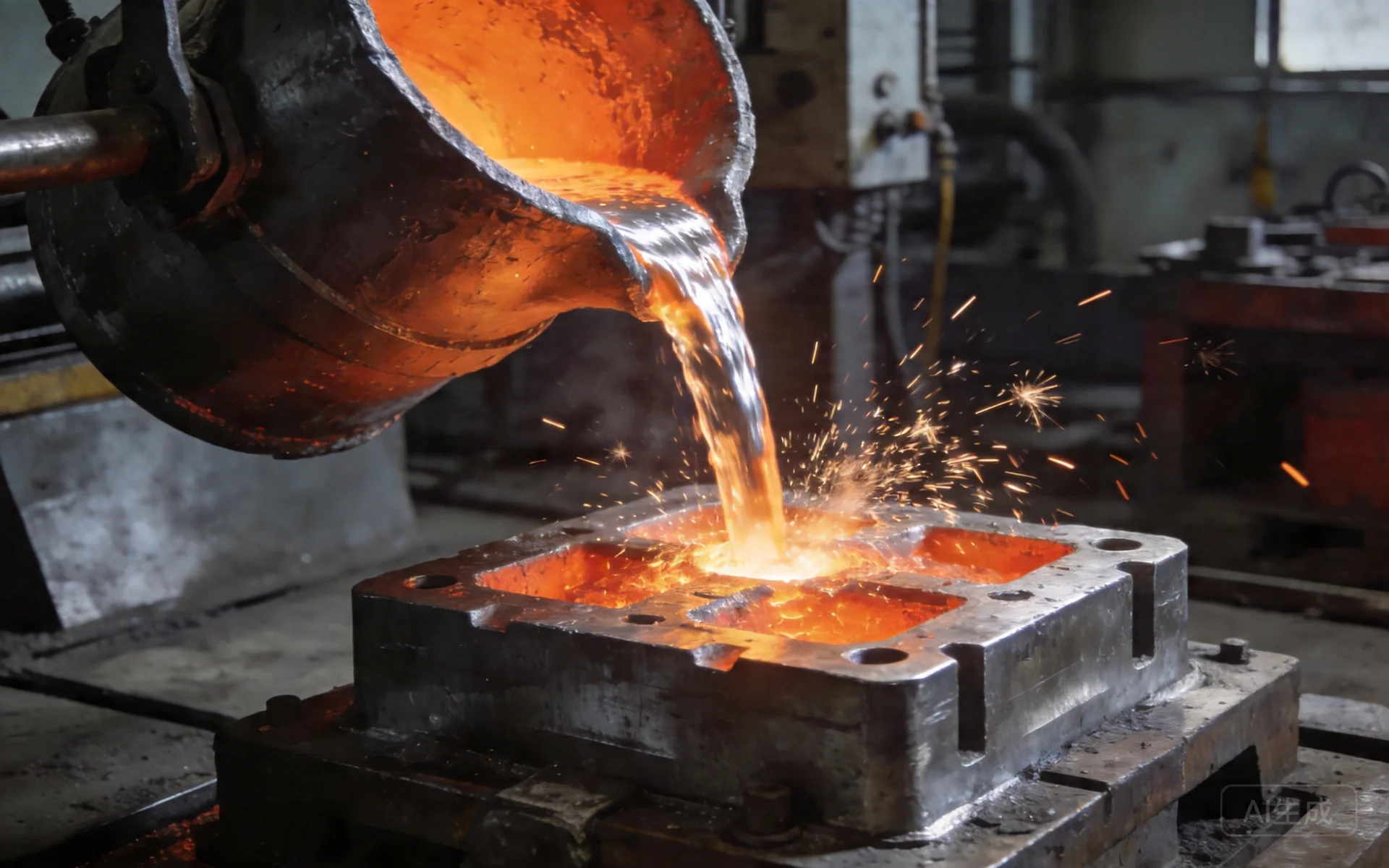
Gravity casting—also called permanent mold casting—pours molten aluminum into reusable steel molds under gravity's natural force. Unlike high-pressure die casting, gravity casting relies on controlled, slow filling that produces parts with superior mechanical properties, reduced porosity, and excellent surface finish relative to sand casting. Engineers evaluating casting methods for medium-volume production runs of 500–10,000 parts per year often find gravity casting occupies the ideal middle ground between low-cost sand casting and high-volume die casting. This guide covers the full process, key parameters, alloy selection, industry applications, and a decision framework for comparing gravity casting with alternative methods. For broader context on aluminum casting families, see our Aluminum Casting Guide.
How Gravity Casting Works
Gravity casting follows a five-step process that transforms molten aluminum into precision permanent-mold components. Each stage is engineered to control solidification, minimize gas entrapment, and maximize mold life.
1. Mold Preparation
Reusable steel molds—typically H13 or similar hot-work tool steel—are preheated to 200–400°C before each pour. A refractory coating (graphite or ceramic-based) is applied to cavity surfaces to regulate heat transfer, prevent soldering, and ensure clean part release. Preheating reduces thermal shock on the mold and promotes directional solidification from the mold wall inward, which is critical for achieving dense, low-porosity castings.
2. Pouring
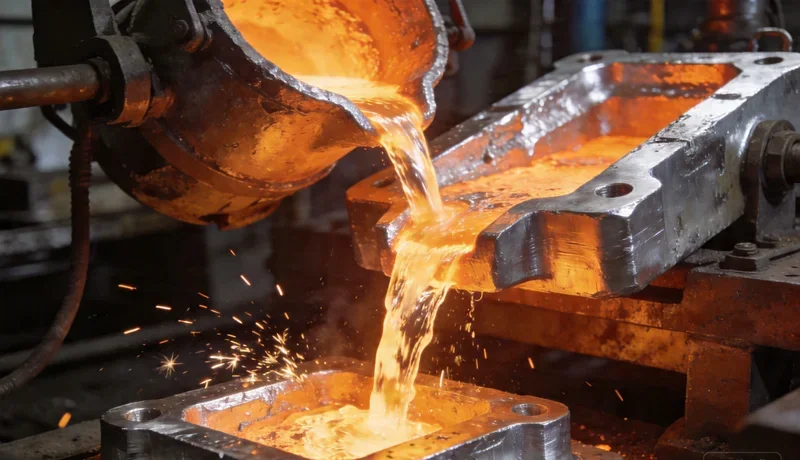
Molten aluminum is held at 650–750°C depending on alloy composition, then poured into the mold cavity through a carefully designed gating system. Pour rates are controlled to maintain laminar flow—typically 0.5–2 kg/s for medium-sized parts—avoiding the turbulence that causes oxide films and gas entrapment. Unlike high-pressure die casting, no external pressure forces metal into thin sections; gravity alone drives the fill, which is why wall thicknesses are generally moderate (3–15 mm) rather than ultra-thin.
3. Solidification
As the casting cools, heat is extracted through the steel mold at a controlled rate of 5–20°C/min. Mold design—including riser placement, chill inserts, and gating geometry—directs solidification front progression to feed shrinkage zones and prevent internal voids. The slow fill and controlled cooling produce a finer grain structure and mechanical properties that can approach forged aluminum in critical applications.
4. Ejection
Once the casting reaches handling temperature (typically 200–350°C depending on part mass), the mold opens and ejector pins push the part from the cavity. Because molds are reusable, there is no shakeout step as in sand casting. Cycle times range from 2–10 minutes per part—faster than sand casting but slower than die casting's 10–60 second shots.
5. Finishing
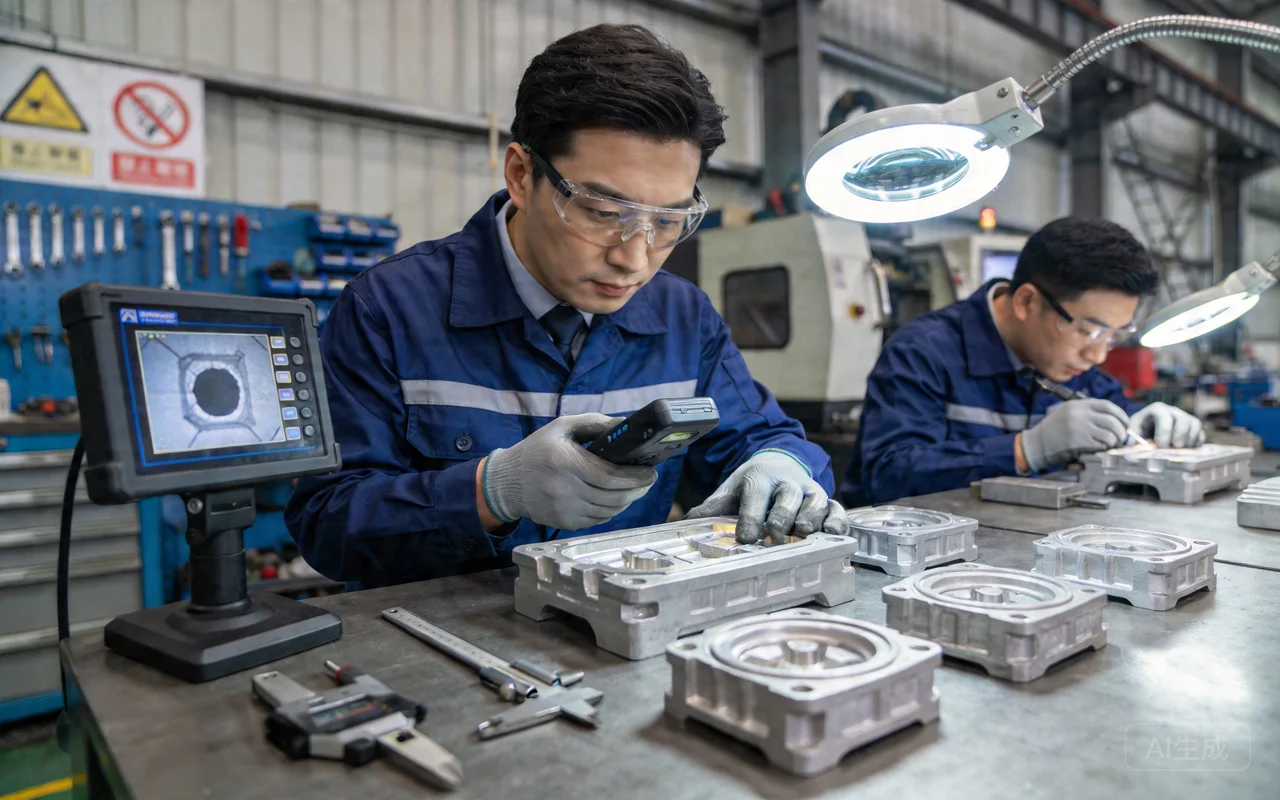
Gate and riser material is removed by sawing or grinding. Heat treatment (T6 solution treatment at ~540°C plus artificial aging) is applied when maximum strength is required, particularly for A356 and LM25 alloys. CNC machining, shot blasting, anodizing, and dimensional inspection complete the production sequence before parts ship to the customer.
Key technical advantage: The slow, laminar fill minimizes gas entrapment—porosity in gravity castings is typically 1–3%, significantly lower than sand casting (3–8%), giving mechanical properties comparable to forged parts in many structural applications.
Key Process Parameters
Successful gravity casting depends on tight control of five interrelated process variables. Deviations in any parameter can affect dimensional accuracy, porosity levels, and mold service life.
Mold Temperature
Operating range: 200–400°C. Lower temperatures accelerate cooling and refine grain structure but increase mold thermal shock; higher temperatures slow solidification and improve surface finish but extend cycle time. Most foundries target 250–320°C for A356 aluminum alloys.
Pouring Temperature
Alloy-dependent range of 650–750°C. A356 pours optimally near 710–730°C; A319 may require 720–740°C for adequate fluidity. Excessive superheat increases gas absorption (hydrogen solubility rises with temperature), while insufficient temperature causes misruns and cold shuts.
Cooling Rate
Controlled at 5–20°C/min through mold design, coating thickness, and optional chill inserts. Faster cooling in thin sections prevents hot tearing; slower cooling in thick sections allows adequate feeding through risers.
Cycle Time
Typically 2–10 minutes per part depending on casting weight, wall thickness, and mold complexity. This positions gravity casting between sand casting (5–30 min) and die casting (10–60 sec), making it economical for medium-volume runs without the capital intensity of HPDC lines.
Mold Life
Permanent molds achieve 10,000–100,000 cycles depending on alloy aggressiveness, part geometry, maintenance practices, and coating regimen. Regular mold polishing, crack repair, and coating renewal extend service life and maintain dimensional consistency across production batches.
Advantages of Gravity Casting
Gravity casting bridges the gap between sand casting's flexibility and die casting's productivity. The table below summarizes how gravity casting compares across key performance criteria.
| Advantage | Description | Compared to Sand Casting | Compared to Die Casting |
|---|---|---|---|
| Mechanical Strength | Improved directional solidification from permanent mold | 20–30% higher tensile properties | Similar or slightly lower |
| Surface Finish | Ra 3–12 µm as-cast from steel mold surfaces | 2–3× better (sand: Ra 6–25 µm) | Not as fine (die: Ra 0.8–3 µm) |
| Dimensional Accuracy | ±0.3–0.8 mm typical | 2× better (ISO 8062 D2 vs D1) | Not as tight (die: ±0.1–0.3 mm) |
| Tooling Cost | $10K–$50K per permanent mold set | Higher upfront (reusable steel vs pattern) | 3–5× cheaper than HPDC dies |
| Porosity | 1–3% typical internal porosity | 3–8% in sand castings | 0.5–2% in die castings |
| Production Volume | 500–10,000 parts/year sweet spot | 10–500/yr for sand | 10,000+/yr for die casting |
Gravity casting is the preferred choice when part volumes exceed sand casting economics but do not justify high-pressure die casting tooling investment. The superior mechanical properties and surface finish also reduce post-machining costs compared to sand cast alternatives.
Best Alloys for Gravity Casting
Aluminum-silicon alloys dominate gravity casting due to excellent fluidity, manageable shrinkage, and heat treatment response. The four alloys below cover the majority of industrial gravity casting applications worldwide.
A356-T6
The most popular gravity casting alloy worldwide. Excellent fluidity during pouring, good weldability, and full T6 heat treatment response deliver 262 MPa ultimate tensile strength. Ideal for automotive structural components, wheels, and general mechanical parts requiring a balance of strength and ductility.
A319
Higher strength than A356 with superior pressure tightness, making it the choice for engine components, transmission housings, and hydraulic parts where leak resistance is critical. Slightly lower elongation but excellent machinability after casting.
A535
A magnesium-bearing alloy with exceptional corrosion resistance, widely used for marine propeller hubs, pump housings, and fittings exposed to saltwater environments. As-cast (F temper) with 250 MPa UTS; not typically heat treated.
LM25
The European specification equivalent to A356, common in UK and EU gravity casting foundries. LM25-T6 delivers comparable mechanical properties (260 MPa UTS) and is specified in many aerospace and automotive supply chains operating under European standards.
| Alloy | Tensile (MPa) | Yield (MPa) | Elongation | Hardness | Heat Treatable |
|---|---|---|---|---|---|
| A356-T6 | 262 | 207 | 5–10% | 80 HB | Yes |
| A319-T6 | 275 | 210 | 3–5% | 90 HB | Yes |
| A535-F | 250 | 130 | 9% | 70 HB | No |
| LM25-T6 | 260 | 200 | 5% | 85 HB | Yes |
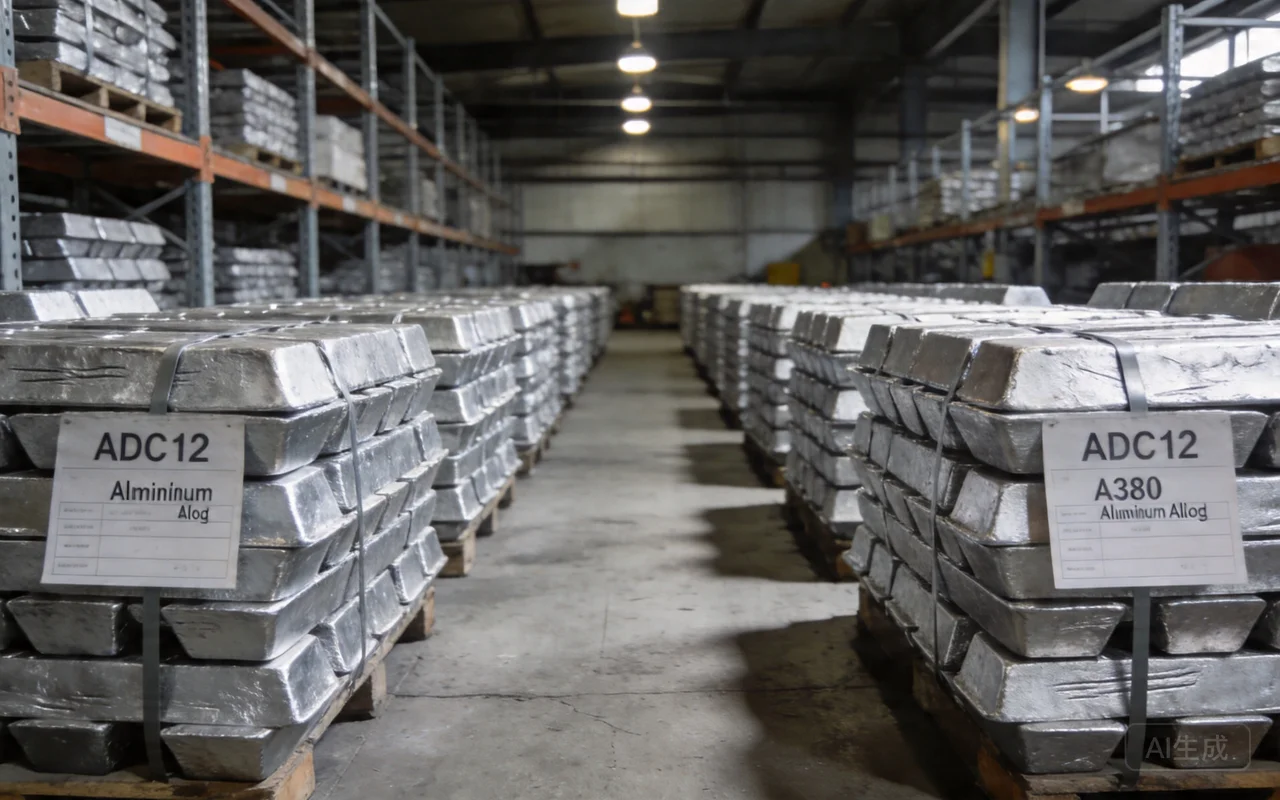
Alloy selection tip: Specify A356-T6 unless pressure tightness (A319), marine corrosion resistance (A535), or a European LM25 specification explicitly requires an alternative.
Applications by Industry
Gravity casting serves diverse industries where medium volumes, structural integrity, and moderate tolerances are required. Below are the primary application categories.
Automotive
Control arms, steering knuckles, brake caliper housings, suspension components, and wheel hubs benefit from gravity casting's strength-to-weight ratio and T6 heat treatment capability. Volumes of 1,000–8,000 pieces per year per SKU align well with permanent mold economics.
Aerospace
Non-critical structural brackets, avionics housings, and ground support equipment components use A356 gravity castings where forging cost is prohibitive for low-to-medium volumes. Note that high-strength alloys like 7075 are not castable—A356 remains the aerospace gravity casting standard.
Marine
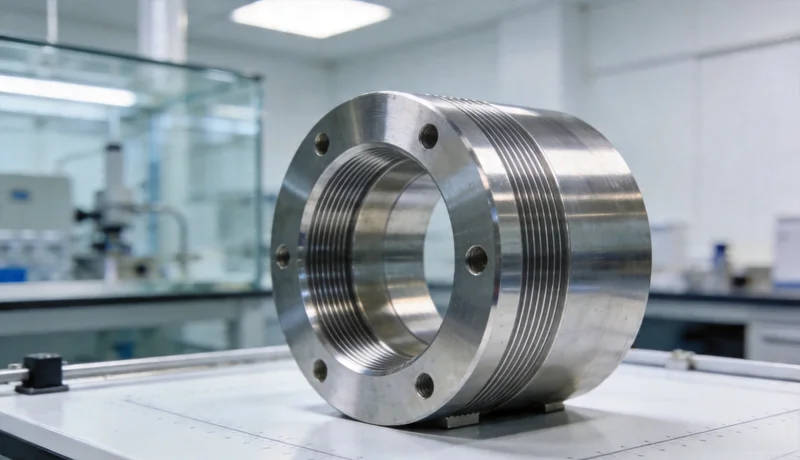
Propeller hubs, pump housings, deck hardware, and corrosion-resistant fittings in A535 or A356-T6 withstand saltwater environments. Gravity casting's low porosity is essential for pressure-containing marine components.
Industrial
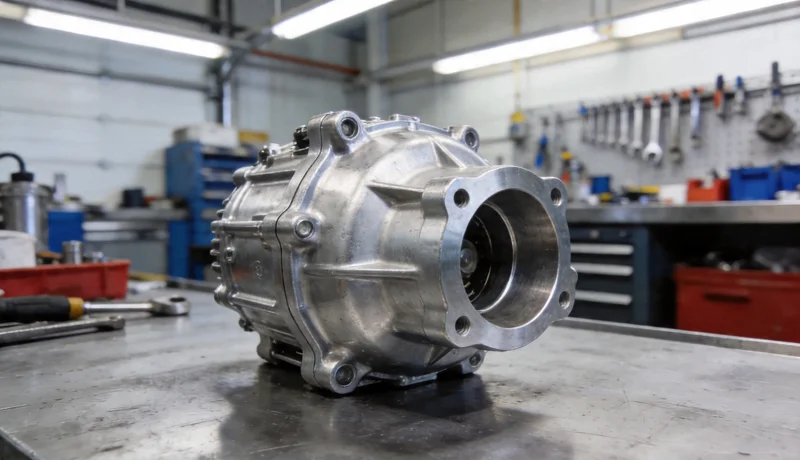
Valve bodies, hydraulic manifolds, compressor housings, and gearbox covers in A319 or A356-T6 leverage gravity casting's pressure tightness and machinability for fluid power and heavy equipment sectors.
Medical
Imaging equipment housings (CT, MRI frames), surgical instrument frames, and diagnostic device enclosures use gravity cast aluminum for EMI shielding integration, weight reduction, and the moderate volumes typical of medical device manufacturing.
Gravity Casting vs Other Methods
Selecting the right casting process requires matching part geometry, volume, tolerance, and budget to process capabilities. Use this comparison table alongside our dedicated guides for sand casting and aluminum die casting.
| Criteria | Gravity Casting | Sand Casting | Die Casting |
|---|---|---|---|
| Mold Type | Reusable steel | Single-use sand | Reusable steel (high pressure) |
| Surface Finish | Ra 3–12 µm | Ra 6–25 µm | Ra 0.8–3 µm |
| Tolerance | ±0.3–0.8 mm | ±0.5–2 mm | ±0.1–0.3 mm |
| Tooling Cost | $10K–$50K | $2K–$15K | $30K–$200K |
| Cycle Time | 2–10 min/part | 5–30 min/part | 10–60 sec/part |
| Min Volume | 500 parts | 1 part (prototype) | 5,000+ parts |
| Strength | High (directional) | Medium | Medium–High |
| Porosity | Low (1–3%) | High (3–8%) | Very Low (0.5–2%) |
Choose Gravity Casting When:
- Annual volume is 500–10,000 parts
- Mechanical properties must exceed sand casting levels
- Tooling budget is below die casting die costs
- Wall thickness is 3–15 mm (moderate sections)
- Surface finish of Ra 3–12 µm is acceptable or machinable
Choose Sand Casting Instead When:
- Prototyping or volumes below 500 parts
- Very large parts or complex internal cores are required
- Lowest tooling investment is the priority
Choose Die Casting Instead When:
- Volumes exceed 10,000 parts per year
- Thin walls (<3 mm) or tightest tolerances are required
- Fastest cycle times and lowest per-part cost at scale are critical
Frequently Asked Questions
What is gravity casting?
Gravity casting (permanent mold casting) pours molten aluminum into reusable steel molds under gravity alone. The slow, laminar fill produces dense castings with low porosity and mechanical properties often comparable to forged parts, making it ideal for medium-volume production of 500–10,000 parts per year.
How does gravity casting differ from die casting?
Die casting injects molten metal at high pressure (700–1,200 bar) for fast cycles and thin walls. Gravity casting fills molds slowly under approximately 1 bar, reducing turbulence and gas entrapment. Gravity casting offers better mechanical properties than many die cast parts but slower cycle times and coarser surface finish than high-pressure die casting.
What alloys are best for gravity casting?
A356-T6 is the most popular gravity casting alloy for strength and heat treatability. A319 offers higher strength and pressure tightness. LM25 (European equivalent to A356) and A535 are also common, with A535 preferred for marine corrosion resistance.
What is the typical cost of gravity casting?
Permanent mold tooling typically costs $10,000–$50,000 per mold set, significantly less than high-pressure die casting dies ($30,000–$200,000+). Per-part costs range from approximately $2–$15 depending on part size, alloy, finishing requirements, and annual volume within the 500–10,000 piece sweet spot.
Is gravity casting suitable for prototyping?
Gravity casting is not ideal for prototyping due to permanent mold tooling cost and lead time. Sand casting is the better choice for one-off parts and design iteration. Gravity casting becomes economical once designs are validated and production volumes reach roughly 500 parts per year.
What surface finish can I expect from gravity casting?
As-cast gravity casting surfaces typically achieve Ra 3–12 µm, noticeably smoother than sand casting (Ra 6–25 µm) though not as fine as high-pressure die casting (Ra 0.8–3 µm). Critical surfaces can be improved to Ra 1.6–3.2 µm through CNC machining or polishing.